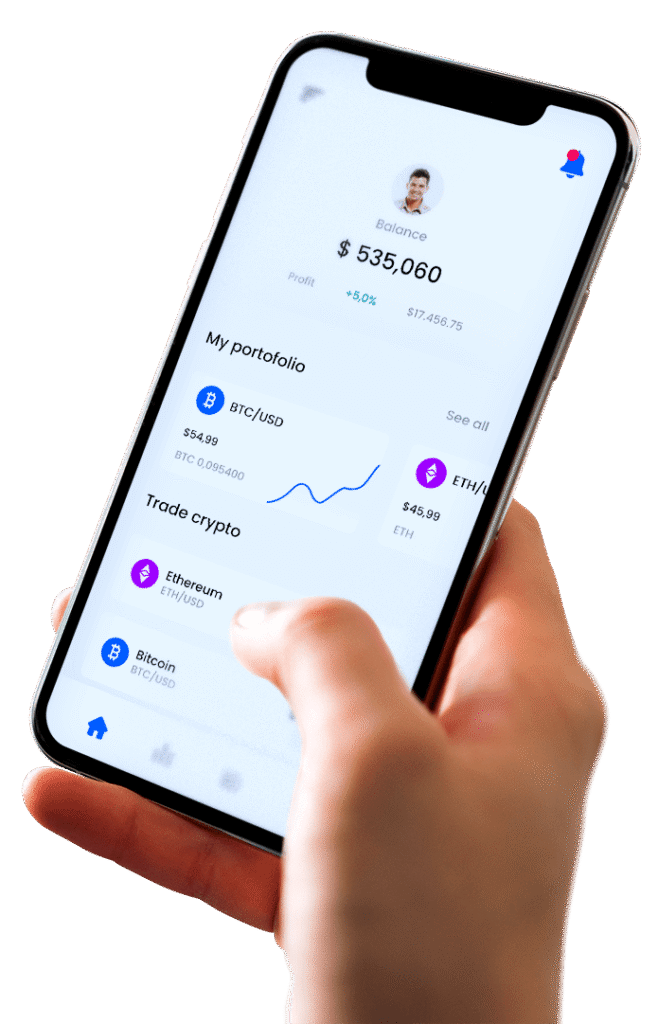

If you’re searching for a crypto trading platform Australia users can rely on, you’ll notice people use a lot of similar terms—crypto exchange Australia, cryptocurrency exchange, digital currency exchange (DCE), and even crypto broker Australia. They sound interchangeable, but the small differences can affect your fees, your safety, and how easily you can move money in and out using AUD deposits and PayID.
In this Ummi Up guide, you’ll learn how to pick the best crypto exchange Australia style platform for your needs—without confusion, and without hype.
What is a crypto trading platform vs a crypto exchange?
A crypto trading platform is the place you use to buy crypto Australia, sell, and trade assets like Bitcoin and Ethereum. In many cases, the platform is a crypto exchange that matches buyers and sellers (often using an order book). Other platforms work more like a crypto broker, which may simplify buying and selling but can price trades differently.
As a quick way to think about it:
-
Crypto exchange: Usually offers an order book, clearer trading tools, and more order types (market order, limit order, stop loss).
-
Crypto broker: Often simpler for beginners, but the “cost” can appear in the spread (difference between buy and sell price).
-
Crypto trading app Australia: The mobile experience—could be an exchange or broker underneath.
If you want more control and transparency, most readers prefer a solid crypto exchange Australia option that shows fees clearly.
How to buy crypto in Australia with AUD + PayID
For Australians, the best experience usually starts with fast funding. That’s why “PayID crypto exchange” and “buy crypto with PayID” are popular searches.
PayID lets you send and receive payments using an identifier like your mobile number, email, or ABN, and it runs on Australia’s New Payments Platform (NPP).
A simple beginner flow looks like this:
-
Choose a crypto trading platform Australia users trust
-
Create your account and complete KYC (identity verification)
-
Add funds using AUD deposits (PayID or bank transfer)
-
Buy your preferred asset (e.g., buy bitcoin Australia)
-
Decide whether to keep crypto on the platform or move it to your own wallet
Ummi Up tip: if you’re comparing “best” options, don’t just look at speed—also check any deposit limits, fees, and how long withdrawals typically take.
Fees: the real way to compare “low fee crypto exchange Australia” options
Many people search low fee crypto exchange Australia, but the cheapest platform isn’t always the one with the lowest headline number. Fees usually show up in three places:
1) Trading fees (maker/taker)
Exchanges often use maker/taker fees, meaning you pay different rates depending on whether your order adds liquidity (maker) or takes liquidity (taker). This is common in spot trading crypto environments.
2) Spreads (hidden cost)
Some platforms advertise “0 trading fees,” but you may pay through a wider spread. For beginners, spreads can quietly cost more than a small visible trading fee.
3) Deposit and withdrawal fees
Even if PayID deposits are free, check:
-
AUD withdrawal fees
-
Crypto withdrawal/network fees
-
Any minimum withdrawal limits
Ummi Up checklist: compare the total cost of trading (trading fee + spread + withdrawal), not just one number on a pricing page.
Security checklist for a “secure crypto exchange Australia” pick
Security is where quality platforms separate themselves. If you want a secure crypto exchange Australia choice, look for:
-
2FA (two-factor authentication) for login and withdrawals
-
Strong withdrawal controls (confirmations, whitelisting if available)
-
Clear custody practices (many platforms store a portion of funds in cold storage)
-
Transparent security guidance and user education
Also remember: keeping crypto on any exchange means you’re trusting a third party (custodial storage). If you’re holding long-term, many people consider moving funds to a personal (non-custodial) wallet so they control the private keys. That decision depends on your risk comfort and how often you trade.
AUSTRAC registration: an important Australia trust check
In Australia, if a business provides digital currency exchange (DCE) services, it must be registered with AUSTRAC—and AUSTRAC states it’s against the law to provide these services without being registered.
That gives readers a simple credibility step:
-
If you’re using an Australian-based DCE provider, check whether they say they’re AUSTRAC-registered, and look for clear compliance information.
This isn’t “government endorsement,” but it is a meaningful baseline check in the Australian market.
KYC / identity verification: why platforms ask for your ID
If you’re new, this is one of the most common questions: “Why do I need to verify my identity?”
The short answer: exchanges implement KYC and related controls as part of compliance and risk management, especially for AML/CTF obligations.
For your blog readers, explain it simply:
-
Identity checks help reduce fraud and prevent misuse
-
Verification can also unlock higher deposit/withdrawal limits
-
Legit platforms will explain what they collect and why
ATO crypto tax basics: record keeping matters (a lot)
Crypto tax is a major topic in Australia, and it’s also where many beginners get caught off-guard.
The ATO says you must keep records of each crypto asset and every transaction to work out whether you’ve made a capital gain or loss.
For an Ummi Up blog, keep this section practical:
Keep records of:
-
Dates of transactions
-
Value in AUD at the time
-
What the transaction was (buy, sell, swap, transfer)
-
Fees paid
-
Exchange statements and transaction IDs
The ATO also provides a CGT record-keeping tool that can help organize the process. Australian Taxation Office
If your readers want personal tax advice, recommend they speak to a registered tax agent—your blog can guide them on “what to track,” not what to file.
How to choose the best crypto trading platform in Australia (Ummi Up checklist)
When someone searches best crypto exchange Australia, they’re usually asking: “Which one is safest, easiest, and cheapest overall?”
Here’s the clean checklist:
-
AUD funding: PayID/bank transfer supported, clear limits, clear timing Australian Payments Plus+1
-
Fees: trading fees + spread + withdrawals (total cost)
-
Security: 2FA, withdrawal protections, custody standards
-
AUSTRAC registration (for Australian DCE providers) AUSTRAC+1
-
User experience: app usability, support quality, transparent help docs
-
Tax-friendly reporting: exportable history for ATO record keeping Australian Taxation Office+1
FAQs
What is PayID and how does it help Australians buy crypto?
PayID lets you use an identifier like an email, phone number, or ABN to send/receive payments, and it’s part of the New Payments Platform (NPP). Australian Payments Plus+1 This can make funding an account faster and simpler than manual bank details.
Is it legal to use a crypto exchange in Australia?
AUSTRAC states digital currency exchange providers must be registered before providing DCE services, and operating without registration is against the law. AUSTRAC+1
Do I need to pay tax on crypto in Australia?
The ATO explains you must keep records for crypto transactions to work out capital gains or losses. Australian Taxation Office+1
What should I look for in a secure crypto exchange?
At minimum: 2FA, strong withdrawal controls, and clear security guidance. Also compare transparency on fees and reporting.
Final word (from Ummi Up)
A good crypto trading platform Australia pick is simple: choose strong AUD funding (including PayID), compare the real total fees, prioritize security features, check AUSTRAC registration where relevant, and keep clean records for ATO tax time.