
Choosing the best crypto exchange in Australia is the most critical step for any digital asset investor. With over a million Australians now active in the market, the demand for reliable, secure, and regulated platforms has never been higher. However, with dozens of options available, finding the lowest fee crypto exchange in Australia that also provides top-tier security can be overwhelming.
In this comprehensive 1,500-word guide, we analyze the top-rated platforms, break down the complex fee structures, and explore the essential regulatory requirements like AUSTRAC registration that every Australian trader must understand.
Why Regulatory Compliance is Non-Negotiable
Before you deposit a single dollar, you must ensure your chosen platform is an Australian regulated crypto exchange. In 2025, the Australian government and the Australian Transaction Reports and Analysis Centre (AUSTRAC) have implemented strict oversight to protect consumers.
AUSTRAC and KYC Verification
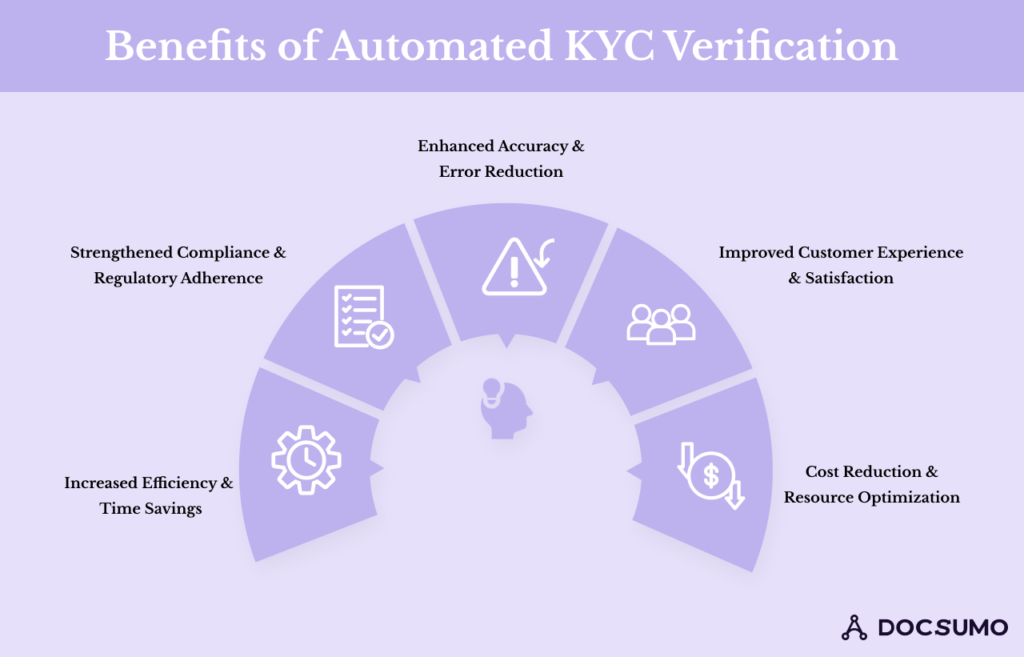
Any legitimate exchange operating in Australia must be registered with AUSTRAC. This registration ensures the platform adheres to Anti-Money Laundering (AML) and Counter-Terrorism Financing (CTF) laws. As part of this, you will be required to undergo KYC (Know Your Customer) verification. This usually involves providing a high-resolution photo of your driver’s license or passport. While it may seem like a hurdle, it is a primary trust signal that ensures you are not trading on a “fly-by-night” platform.
Best Crypto Exchanges in Australia: 2026 Rankings
1. Ummiup – Australia’s trusted gateway to the world of digital assets. We provide secure, fast,
Welcome to Ummiup, Australia’s trusted gateway to the world of digital assets. We provide secure, fast, and compliant crypto services through on/off-ramp solutions, OTC trading, and a non-custodial crypto exchange. At Ummiup, you stay in full control of your assets while enjoying a seamless, user-friendly trading experience.
2. Kraken – Best for Security and Professional Trading
Kraken has long been considered a global leader, but its Australian presence is particularly strong in 2025. It is widely regarded as one of the oldest and most secure platforms in existence.
- Best For: Advanced traders and security-conscious investors.
- Key Features: High liquidity, Proof of Reserves (PoR), and 24/7 live support.
- Verdict: If you are looking for advanced order types and the peace of mind that comes with a platform that has never been hacked, Kraken is the top choice.
3. Swyftx – Best App to Buy Crypto in Australia
Based in Brisbane, Swyftx has built a reputation for having the most intuitive user interface in the country. It is frequently cited as the best crypto app in Australia for mobile-first users.
- Best For: Beginners and casual investors.
- Key Features: Exceptional mobile app, “Crypto Bundles” for easy diversification, and localized customer support.
- Verdict: Swyftx makes the complex world of altcoins and stablecoins accessible to everyone.
4. CoinSpot – The Most Trusted Local Name
Since 2013, CoinSpot has been a staple for Australian investors. It offers the widest variety of assets, making it a favorite for those hunting for niche tokens.
- Best For: Asset variety and long-term holding.
- Key Features: Support for over 500+ assets, easy PayID deposits, and a dedicated NFT marketplace.
- Verdict: The perfect “all-in-one” shop for Australians who want to buy everything from Bitcoin to small-cap DeFi tokens.
5. Coinbase Advanced – Best for Global Liquidity
While Coinbase is a US giant, its “Advanced” platform offers Australian traders some of the lowest fees on the market, often outperforming local competitors on high-volume trades.
Understanding Fee Structures: How to Save Money
If you are searching for the lowest fee crypto exchange in Australia, you need to understand how platforms actually charge you. Fees are generally split into three categories:
1. Maker and Taker Fees
Most professional exchanges use a “Maker-Taker” model.
- Maker Fees: Applied when you place a limit order that adds liquidity to the order book. These are usually lower (e.g., $0.10\%$).
- Taker Fees: Applied when you place a market order that “takes” liquidity away instantly. These are slightly higher (e.g., $0.20\%$).
2. Spreads
A “spread” is the difference between the buy and sell price. Some exchanges claim “0% Commission” but charge a high spread (often $1\%$ to $2\%$). Always check the total cost of the transaction before hitting “Buy.”
3. Deposit and Withdrawal Fees
Fortunately, in 2025, most Australian exchanges offer free AUD deposits via PayID and Osko. However, withdrawing certain cryptocurrencies to a private wallet will incur “network fees” or “gas fees,” which vary depending on how busy the blockchain is.
The Importance of Security: Protecting Your Digital Assets
The safest way to store crypto in Australia is rarely on the exchange itself. While platforms like Kraken and Coinbase use cold storage (keeping assets offline) to protect user funds, the ultimate responsibility lies with you.
Essential Security Checklist:
- Two-Factor Authentication (2FA): Use an app like Google Authenticator or a hardware key. Never rely on SMS 2FA, as it is vulnerable to SIM-swapping.
- Whitelisting Addresses: Enable this feature so that withdrawals can only be sent to your pre-approved private wallet addresses.
- Hardware Wallets: For large holdings, move your assets to a physical device like a Ledger or Trezor. This is the only way to truly “be your own bank.”
Taxation and the ATO: A Guide for Aussie Traders
A common semantic search query is “Tax on cryptocurrency Australia (ATO).” It is vital to remember that the Australian Taxation Office treats crypto as an asset, not a currency.
- Capital Gains Tax (CGT): You are taxed on the “capital gain” (profit) you make when you sell, trade, or even spend your crypto.
- The 12-Month Rule: If you hold your assets for more than 12 months, you may be eligible for a 50% CGT discount.
- Record Keeping: Every crypto-to-crypto trade is a taxable event. The best crypto trading platforms in Australia now offer automated tax reports that you can import directly into software like Koinly.
Emerging Trends in 2026: SMSFs and Staking
The Australian market is maturing beyond simple buying and selling. Two major areas of growth are:
Self-Managed Super Funds (SMSF)
Many Australians are now moving their retirement savings into digital assets. Specialized desks at platforms like Independent Reserve and Coinstash cater specifically to SMSF crypto investing, ensuring compliance with strict auditing rules.
Crypto Staking for Passive Income
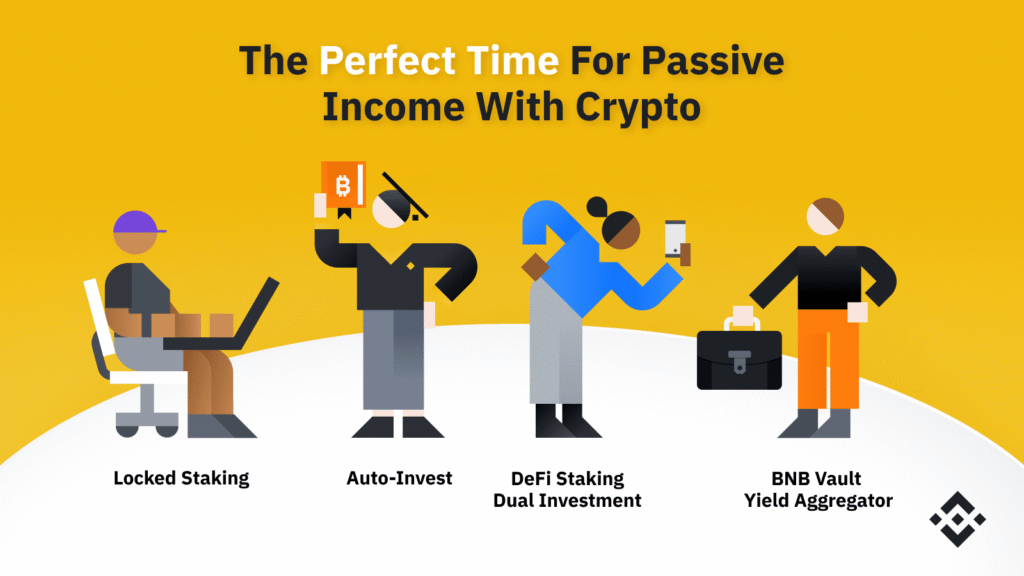
Staking allows you to earn rewards (similar to interest) on your holdings by helping secure the network. If you hold Ethereum (ETH) or Solana (SOL), you can often “stake” these assets directly on your exchange to earn an Annual Percentage Yield (APY).
How to Get Started: Step-by-Step
- Research: Compare platforms based on fees and asset availability.
- Sign Up: Create an account and complete your KYC verification.
- Deposit AUD: Use PayID for near-instant funding from your Australian bank.
- Buy Crypto: Start with a “blue chip” asset like Bitcoin (BTC) or Ethereum (ETH).
- Secure: Move your long-term holdings to a hardware wallet
Conclusion: Finding Your Perfect Platform
There is no single “best” exchange for everyone. If you are a professional trader, Kraken‘s low maker/taker fees and deep liquidity are unbeatable. If you are a beginner, the user-friendly interface of Swyftx or CoinSpot provides the easiest path to entry.
Ultimately, the best crypto exchange in Australia is one that is transparent, regulated, and fits your specific investment strategy. Stay informed, stay secure, and always Do Your Own Research (DYOR) before entering the market.
Frequently Asked Questions
1. Is cryptocurrency legal in Australia?
Yes, cryptocurrency is 100% legal to buy, sell, and own in Australia. However, the government regulates exchanges through AUSTRAC. This requires all platforms to follow strict Anti-Money Laundering (AML) and Counter-Terrorism Financing (CTF) laws. While it is legal, crypto is not considered “legal tender” (like the Australian Dollar), meaning businesses are not legally required to accept it as payment.
2. How does the ATO tax cryptocurrency in Australia?
The Australian Taxation Office (ATO) treats cryptocurrency as an asset subject to Capital Gains Tax (CGT). You trigger a taxable event whenever you sell crypto for AUD, swap one coin for another, or use it to purchase goods. If you hold your assets for more than 12 months, you may be eligible for a 50% CGT discount, effectively halving your tax obligation on those profits.
3. Do Australian crypto exchanges report to the ATO?
Yes. All AUSTRAC-registered exchanges in Australia share data with the ATO. Under the Data Matching Program, the ATO receives information including your name, address, and transaction history. It is essential to keep accurate records and report your gains or losses in your annual tax return to avoid significant penalties.
4. Can I buy crypto instantly with an Australian bank account?
Most top-tier Australian exchanges support instant AUD deposits via PayID and Osko. These methods allow you to transfer funds from major banks like CommBank, Westpac, and NAB to your exchange wallet in under 60 seconds. This is often the preferred method because it usually carries zero deposit fees, unlike credit or debit card purchases.
5. Which Australian exchange has the lowest fees?
Fee structures vary, but for high-volume trading, Kraken and Bybit typically offer the lowest maker/taker fees starting around $0.1\%$. For instant buys, CoinSpot offers a competitive $0.1\%$ fee on its market interface. Always be sure to check the “spread” (the difference between the buy and sell price), as some platforms with “zero commission” may have wider price gaps.